← บทความBlog部落格 · อุตสาหกรรมIndustry產業
มุมมองอุตสาหกรรมIndustry perspective產業觀點
การใช้จริงชนะฟีเจอร์เสมอ: เครื่องมือเดียวที่อยู่รอด คือเครื่องมือที่ไม่ต้องโน้มน้าวให้ใช้ Frontline adoption beats features: the only tool that survives is the one you never have to talk them into 採用率永遠贏過功能:唯一能存活的工具,是你從來不必說服別人去用的那一個
ซอฟต์แวร์สำหรับทีมหน้างานส่วนใหญ่ไม่ได้ตายเพราะขาดฟีเจอร์ แต่ตายเพราะไม่มีใครใช้จริง ผู้จัดการเป็นคนเลือกและเริ่มใช้ แต่พนักงานหน้างานไม่เคยเริ่มตาม สุดท้ายมันก็ค่อยๆ เงียบหายไปในแชทกลุ่ม บทความนี้พูดถึงสาเหตุที่แท้จริง และเหตุผลที่ทศวรรษหน้าจะตัดสินกันที่การไม่มีแรงเสียดทาน ไม่ใช่จำนวนฟีเจอร์ครับ Most workforce software does not die because a feature is missing. It dies because nobody uses it. The manager chooses it and starts using it, the frontline never starts, and the tool quietly fades away inside a group chat. This is about the real reason that happens, and why the next decade will be decided on the absence of friction rather than the length of a feature list. 多數面向第一線團隊的軟體,並不是因為少了某個功能而死掉,而是因為沒有人真的在用。主管挑了它、開始用它,第一線員工卻從來沒跟上,最後這個工具就在群組聊天裡悄悄消失。這篇談的是這件事真正的原因,以及為什麼下一個十年,會由「摩擦力的消失」而非功能清單的長度來決定。
1. เครื่องมือส่วนใหญ่ล้มเหลวที่การใช้จริง ไม่ใช่ที่ฟีเจอร์1. Most tools fail at adoption, not at features1. 多數工具敗在採用率,不是功能
เครื่องมือสำหรับที่ทำงานเกือบทั้งหมดถูกซื้อจากรายการฟีเจอร์ และถูกตัดสินในเดโมโดยผู้จัดการที่คุ้นเคยกับซอฟต์แวร์อยู่แล้ว ส่วนคนที่ต้องใช้มันจริงทุกวัน คือพนักงานหน้างาน กลับไม่เคยอยู่ในห้องนั้นเลย เครื่องมือจึงชนะในเดโม แล้วแพ้ในกะจริงครับ Almost all workplace tools are bought on a feature list and judged in a demo by a manager who is already comfortable with software. The people who have to use it every day, the frontline, were never in the room. So the tool wins the demo and then loses the shift. 幾乎所有職場工具,都是照著功能清單買下的,也是由早就熟悉軟體的主管在展示會上評斷的。而每天真正得用它的人,也就是第一線員工,從來沒在那個房間裡。於是工具贏了展示,卻輸了現場的班。
รากของเรื่องนี้คือช่องว่างระหว่าง "คนที่เลือก" กับ "คนที่ต้องใช้" คนที่เลือกเครื่องมือคือผู้จัดการ ส่วนคนที่ต้องใช้มันทุกวันคือพนักงานหน้างาน สองกลุ่มนี้ไม่ใช่คนเดียวกัน เครื่องมือจึงถูกตัดสินด้วยสิ่งที่ทำให้ผู้จัดการประทับใจ แต่เป็นหรือตายด้วยสิ่งที่พนักงานยอมทำจริง อัตราการใช้จริงจึงไม่ใช่ตัวเลขรองที่ค่อยดูทีหลัง มันคือตัวชี้ขาดว่าเครื่องมือนั้นจะอยู่หรือจะตายครับ The root of this is the gap between who chooses a tool and who has to use it. The person who chooses is the manager. The people who have to use it every day are the frontline. They are not the same group. So the tool gets judged on what impresses the chooser, but lives or dies on what the users will actually do. Adoption is not a secondary number you check later. It is the single measure of whether the tool lives or dies. 這件事的根源,是「做選擇的人」與「必須使用的人」之間的落差。做選擇的是主管,每天必須用它的是第一線員工,這兩群人並不是同一批。於是工具會依「什麼能打動做選擇的人」被評斷,卻依「使用的人實際上願意做什麼」而生或死。採用率不是事後才看的次要數字,它就是決定這個工具存活或死亡的唯一指標。
2. วิธีที่มันตายจริงๆ: เงียบหายไปในแชทกลุ่ม2. How it actually dies: quietly, in a group chat2. 它真正的死法:安靜地死在群組聊天裡
ภาพที่เกิดขึ้นซ้ำแล้วซ้ำเล่าเป็นแบบนี้ครับ บริษัทซื้อระบบมา ผู้จัดการตั้งค่า เชิญทีม แล้วส่งลิงก์ให้โหลดในแชทกลุ่ม พนักงานส่วนหนึ่งโหลด ส่วนหนึ่งไม่โหลด คนที่โหลดบางส่วนติดขั้นสมัครบัญชี บางส่วนลืมรหัสผ่าน ผ่านไปสองสัปดาห์ มีคนถามเรื่องกะในแชทกลุ่มเหมือนเดิม แล้วก็ได้คำตอบในแชทกลุ่มเหมือนเดิม ระบบที่เพิ่งซื้อมากลายเป็นที่ที่ผู้จัดการคนเดียวเข้าไปดูครับ The scene repeats itself again and again. A company buys a system. The manager sets it up, invites the team, and drops a download link into the group chat. Some staff install it, some do not. Of those who install it, some stall at the sign-up, some forget the password. Two weeks later, somebody asks about a shift in the group chat, and gets an answer in the group chat. The system that was just bought becomes a place only the manager ever opens. 同一幕一再上演。公司買了一套系統,主管設定好、邀請團隊,把下載連結丟進群組聊天。有些員工裝了,有些沒裝。裝了的人裡,有些卡在註冊,有些忘了密碼。兩週後,有人在群組裡問班,也在群組裡得到答案。剛買的那套系統,變成只有主管一個人會打開的地方。
แชทกลุ่มไม่ได้ชนะเพราะมันดีกว่า มันชนะเพราะมันไม่มีขั้นตอนให้ต้องข้าม ทุกคนอยู่ในนั้นอยู่แล้ว ไม่มีอะไรให้โหลด ไม่มีบัญชีให้สมัคร ไม่มีท่าใหม่ให้เรียน เครื่องมือใหม่ที่จะเข้ามาแทนได้จริง จึงต้องไม่มีขั้นตอนเหล่านั้นเช่นกันครับ The group chat does not win because it is better. It wins because it has no steps to cross. Everyone is already inside it. Nothing to download, no account to create, no new gesture to learn. Any new tool that genuinely wants to replace it has to have none of those steps either. 群組聊天勝出,不是因為它比較好,而是因為它沒有任何門檻要跨。每個人本來就在裡面。沒有東西要下載、沒有帳號要開、沒有新動作要學。任何真心想取代它的新工具,也必須同樣沒有那些步驟。
พนักงานหน้างานไม่ได้เลือกแชทกลุ่มเพราะรักมัน พวกเขาเลือกเพราะมันไม่ขออะไรจากเขาเพิ่มเลยครับ The frontline does not choose the group chat because they love it. They choose it because it asks nothing more of them. 第一線之所以選群組聊天,不是因為他們愛它,而是因為它沒有對他們多要求任何東西。
3. บททดสอบการเปลี่ยนพฤติกรรม3. The behaviour-change test3. 行為改變測試
มีคำถามเดียวที่ทำนายได้ค่อนข้างแม่นว่าเครื่องมือจะถูกใช้จริงหรือไม่ ให้ถามทุกส่วนของเครื่องมือว่า พนักงานหน้างานต้องเปลี่ยนสิ่งที่ตัวเองทำอยู่แล้วไหมถึงจะใช้สิ่งนี้ได้ ทุกคำตอบว่า "ใช่" คือจุดที่การใช้จริงรั่วออกครับ There is one question that predicts, fairly accurately, whether a tool will actually get used. Ask it of every part of the tool: does the frontline have to change what they already do in order to use this? Every yes is a place where adoption leaks out. 有一個問題,能相當準確地預測一套工具會不會真的被用起來。對工具的每一個部分都問一次:第一線得改變他們原本的做法,才能用這個嗎?每一個「是」,都是採用率漏掉的地方。
แอปใหม่ให้โหลด คือ "ใช่" หนึ่งครั้ง บัญชีใหม่ให้สมัคร คือ "ใช่" อีกครั้ง หน้าจอใหม่ให้ต้องคอยเข้าไปเช็ค คือ "ใช่" อีกครั้ง รหัสผ่านให้ต้องจำ คือ "ใช่" อีกครั้ง แต่ละครั้งฟังดูเล็กน้อยเมื่ออยู่คนเดียว แต่เมื่อรวมกันมันคือกำแพงที่ทีมส่วนใหญ่ไปไม่ถึงอีกฝั่ง เครื่องมือที่อยู่รอดคือเครื่องมือที่มี "ใช่" น้อยที่สุด ในอุดมคติคือไม่มีเลยครับ A new app to download is one yes. A new account to sign up for is another. A new screen you have to remember to check is another. A password to remember is another. Each one sounds small on its own, but stacked together they form a wall most of the team never gets over. The tools that survive are the ones with the fewest yeses, ideally none. 一個要下載的新 App 是一個「是」。一個要註冊的新帳號又是一個「是」。一個你得記得去看的新畫面又是一個「是」。一組要記的密碼又是一個「是」。單獨看每一個都很小,疊在一起卻築成一道多數團隊翻不過去的牆。能存活的工具,是「是」最少的那種,最好是一個都沒有。
4. ทำไมการอยู่ในแอปแชทที่ใช้อยู่แล้วถึงชนะ4. Why living inside the messaging app already in use wins4. 為什麼「住進他們已在用的通訊 App」會贏
ถ้าเป้าหมายคือลด "ใช่" ให้เหลือน้อยที่สุด คำตอบที่ตรงที่สุดคือ อย่าสร้างที่อยู่ใหม่ให้พนักงานต้องไป แต่ไปอยู่ในที่ที่พวกเขาอยู่แล้ว นั่นคือแอปแชทที่เปิดวันละหลายสิบครั้ง เครื่องมือที่ส่งเข้าไปตรงนั้นไม่ต้องให้โหลด ไม่ต้องมีรหัสผ่าน และไม่ต้องสร้างนิสัยใหม่ครับ If the goal is to cut the yeses to as close to zero as possible, the most direct answer is this: do not build a new place for staff to go, go to the place they are already in. That is the messaging app they open dozens of times a day. A tool delivered there needs no download, no password and no new habit. 如果目標是把「是」減到盡可能接近零,最直接的答案是:不要蓋一個新的地方要員工去,而是走進他們本來就在的地方。那就是他們一天打開幾十次的通訊 App。送進那裡的工具,不需要下載、不需要密碼,也不需要養成新習慣。
พอดาวน์โหลดกับล็อกอินหายไป จำนวน "ใช่" ในบททดสอบก่อนหน้าก็ร่วงลงเกือบเป็นศูนย์ทันที ไม่มีบัญชีให้สมัคร ไม่มีรหัสให้จำ ไม่มีที่อยู่ใหม่ให้ต้องไป เหลือแค่การแตะข้อความที่เด้งเข้ามาเหมือนข้อความอื่นๆ ในชีวิตประจำวัน เมื่อไม่มีขั้นตอนให้รั่ว การใช้จริงก็ไม่ใช่สิ่งที่ต้องไปเอาชนะ มันมาพร้อมกับข้อความแรกเลยครับ Once the download and the login are gone, the number of yeses from the earlier test collapses to almost none: no account to sign up for, no password to remember, no new place to go. All that is left is tapping a message that arrives like every other message in the day. With no steps to leak through, adoption is not something you have to win. It arrives with the very first message. 當下載與登入都消失,前面那個測試裡的「是」也幾乎立刻歸零:沒有帳號要註冊、沒有密碼要記、沒有新地方要去。剩下的,只是點開一則跟日常其他訊息一樣冒出來的訊息。既然沒有步驟可以漏掉,採用率就不是你得去贏取的東西,它會隨著第一則訊息一起到來。
5. ทศวรรษหน้าจะชนะกันที่การไม่มีแรงเสียดทาน5. The next decade is won on the absence of friction5. 下一個十年,贏在摩擦力的消失
การแข่งกันเพิ่มฟีเจอร์ถึงจุดที่ให้ผลลดลงมานานแล้ว เครื่องมือส่วนใหญ่ในหมวดนี้ทำเรื่องเดียวกันได้เกือบหมด สิ่งที่ยังต่างกันจริงคือ มีกี่คนในทีมที่ใช้มันในวันอังคารธรรมดาๆ โดยไม่มีใครต้องคอยบอก นั่นแปลว่าสนามแข่งกำลังย้ายจากรายการฟีเจอร์ ไปสู่การนับจำนวนขั้นตอนที่ต้องตัดออกครับ Adding features hit the point of diminishing returns long ago. Most tools in this category can do almost all of the same things. What still genuinely differs is how many people on a team use it on an ordinary Tuesday with nobody having to remind them. That means the field is shifting from counting features to counting the steps you can take away. 增加功能早就進入報酬遞減的階段了。這個類別裡的多數工具,幾乎都能做同樣的事。真正還有差別的,是在一個平凡的星期二,團隊裡有多少人會在沒人提醒的情況下用它。這意味著戰場正從「數功能」,移向「數你能拿掉多少步驟」。
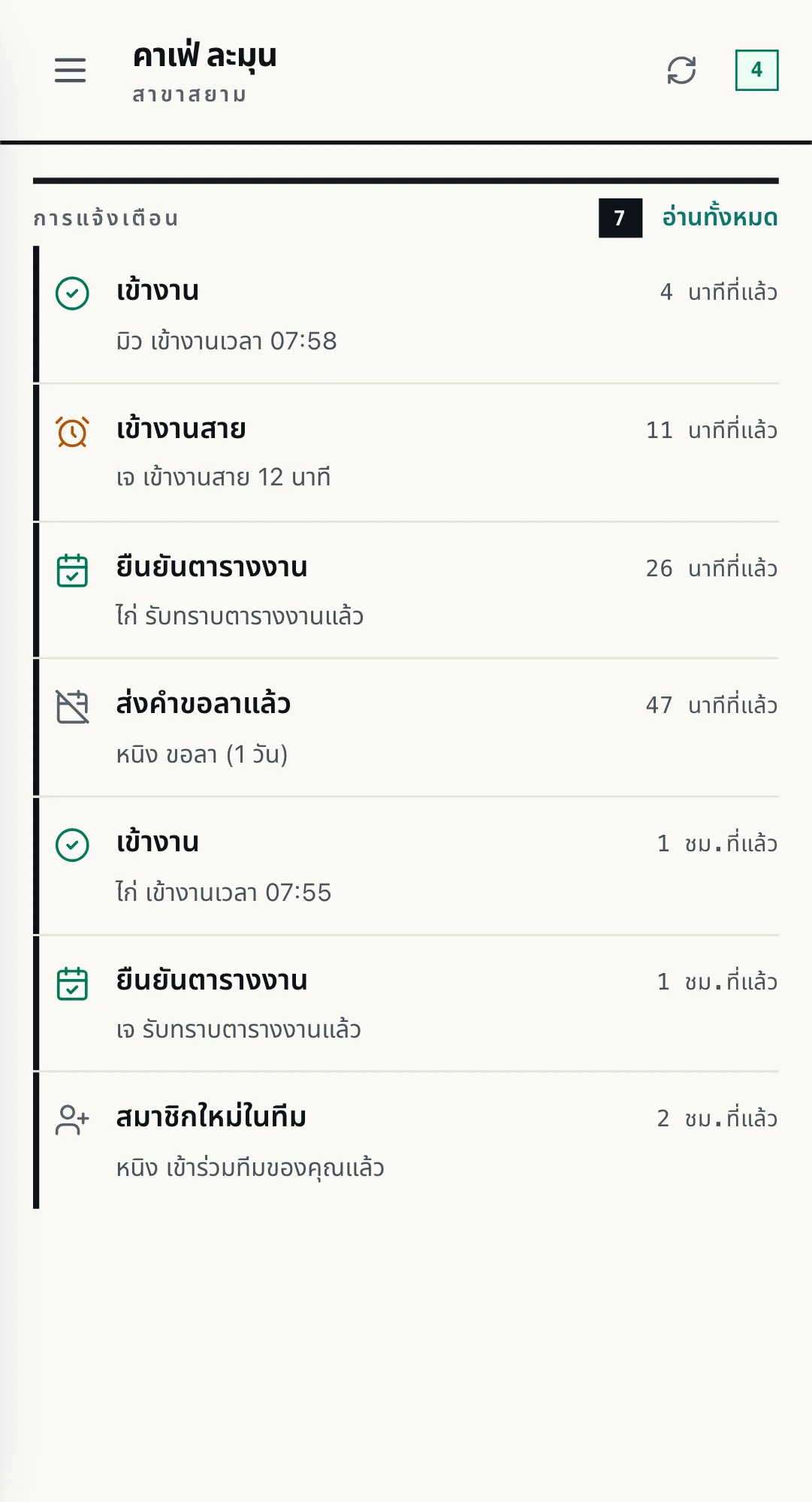
WorkCo คือตัวอย่างหนึ่งของเครื่องมือที่แทบไม่มีอะไรให้ต้องปรับตัว เราตั้งใจทำเรื่องเดียวคือตารางกะ แล้วส่งมันไปหาทีมในไทยตรงที่ LINE ที่เขาเปิดอยู่แล้วทุกวัน ลองเอาบททดสอบมาจับดูก็ได้ครับ ไม่มีแอปให้โหลด ไม่มีบัญชีให้สมัคร ไม่มีรหัสให้จำ เกือบทุกข้อตอบว่า "ไม่" นั่นคือเหตุผลที่มันไม่ต้องคอยตามบอกให้ใครใช้ เพราะไม่มีขั้นตอนไหนเหลือให้คนหลุดออกไปครับ WorkCo is one example of a tool with almost nothing to adopt. We deliberately do one thing, the schedule, and bring it to teams in Thailand right inside the LINE they already have open every day. Run the test against it: no app to download, no account to sign up for, no password to remember. Almost every answer is a no. That is why nobody has to be chased into using it. There is no step left for anyone to drop through. WorkCo 是一個「幾乎沒有東西需要適應」的工具的例子。我們刻意只做一件事:班表,再把它直接送進泰國團隊每天都開著的 LINE 裡。拿前面那個測試來檢驗它:沒有 App 要下載、沒有帳號要註冊、沒有密碼要記,幾乎每一題的答案都是「不用」。這就是為什麼沒有人需要被催著去用它,因為根本沒有任何步驟能讓人漏掉。
คำถามที่พบบ่อยFrequently asked questions常見問題
ทำไมพนักงานหน้างานถึงไม่ยอมใช้แอปจัดการทีม?Why do frontline staff not adopt workforce apps?為什麼第一線員工不願意用團隊管理 App?
เพราะแอปจัดการทีมส่วนใหญ่ขอให้พนักงานหน้างานเปลี่ยนสิ่งที่ทำอยู่แล้ว ทั้งโหลดแอปใหม่ สมัครบัญชี จำรหัสผ่าน และเปิดมันกลางกะที่กำลังยุ่ง ทุกขั้นตอนเสียคนไปเรื่อยๆ สุดท้ายผู้จัดการใช้อยู่คนเดียว ส่วนพนักงานกลับไปแชทกลุ่มที่ใช้กันอยู่เดิมครับBecause most workforce apps ask the frontline to change what they already do: download a new app, create an account, remember a password, open it during a busy shift. Each of those steps loses people. The manager adopts the tool, the staff never do, and the team quietly falls back to the group chat it was already using.因為多數團隊管理 App 要求第一線改變他們原本的做法:下載新 App、開帳號、記密碼,還要在忙碌的班中打開它。每一步都在流失人。最後只有主管在用,員工從來沒真的用起來,團隊又默默回到本來就在用的群組聊天。
แรงเสียดทานในการใช้งานคืออะไร?What is adoption friction?什麼是採用摩擦力?
คือทุกขั้นตอนที่เครื่องมือขอให้พนักงานทำก่อนที่มันจะเริ่มมีประโยชน์ ทั้งการโหลด การสมัคร รหัสผ่าน หน้าจอใหม่ นิสัยใหม่ ในงานหน้างานที่ทุกคนยุ่งและต้องยืนทำงาน แต่ละขั้นตอนค่อยๆ ตัดคนออกจากทีมทีละส่วน แรงเสียดทานคือสิ่งที่ฆ่าการใช้จริง ตั้งแต่ก่อนที่ฟีเจอร์ที่ขาดหายจะมีความหมายด้วยซ้ำครับAdoption friction is every step a tool asks a worker to take before it becomes useful: a download, a sign-up, a password, a new screen, a new habit. On the frontline, where people are busy and on their feet, each step quietly removes a share of the team. Friction is what kills adoption long before a missing feature ever does.採用摩擦力是一套工具在變得有用之前,要求員工做的每一個步驟:下載、註冊、密碼、新畫面、新習慣。在人人忙碌又得站著工作的第一線,每一步都會悄悄地帶走一部分團隊。摩擦力才是扼殺採用率的元兇,早在某個缺少的功能有意義之前。
ทำไมซอฟต์แวร์จัดการทีมถึงล้มเหลวที่การใช้จริงมากกว่าที่ฟีเจอร์?Why does workforce software fail at adoption rather than features?為什麼團隊管理軟體敗在採用率而非功能?
เพราะเครื่องมือส่วนใหญ่ถูกซื้อจากรายการฟีเจอร์ และถูกตัดสินในเดโมโดยผู้จัดการที่คุ้นกับซอฟต์แวร์อยู่แล้ว ส่วนพนักงานที่ต้องใช้มันทุกวันไม่เคยอยู่ในห้องนั้น เครื่องมือจึงชนะในเดโมแล้วแพ้ในกะจริง มันไม่ได้ล้มเพราะขาดฟีเจอร์ แต่ล้มเพราะพนักงานหน้างานถูกขอให้เปลี่ยน แล้วไม่เปลี่ยนครับBecause most tools are bought on their feature list and judged in a demo by a manager who is comfortable with software. The staff who have to use it every day were never in the room. So the tool wins the demo, then loses the shift. It does not fail because a feature is missing. It fails because the frontline was asked to change, and did not.因為多數工具是照功能清單買的,也是由早就熟悉軟體的主管在展示會上評斷的。每天得用它的員工從來沒在那個房間裡。於是工具贏了展示、輸了現場的班。它不是因為少了功能而失敗,而是因為第一線被要求改變,而他們沒有改。
บททดสอบการเปลี่ยนพฤติกรรมของเครื่องมือหน้างานคืออะไร?What is the behaviour-change test for workforce tools?團隊工具的行為改變測試是什麼?
ให้ถามทุกส่วนของเครื่องมือด้วยคำถามเดียวว่า พนักงานหน้างานต้องเปลี่ยนสิ่งที่ตัวเองทำอยู่แล้วไหมถึงจะใช้สิ่งนี้ได้ ทุกคำตอบว่า "ใช่" คือจุดที่การใช้จริงรั่วออก แอปใหม่คือใช่ บัญชีใหม่คือใช่ หน้าจอใหม่ที่ต้องคอยเช็คคือใช่ เครื่องมือที่อยู่รอดคือตัวที่มี "ใช่" น้อยที่สุด เพราะมันอยู่ในที่ที่ทีมอยู่แล้วครับAsk one question of every part of the tool: does the frontline have to change what they already do to use this? Every yes is a place adoption leaks. A new app is a yes. A new account is a yes. A new screen to check is a yes. The tools that survive are the ones with almost no yeses, because they live where the team already is.對工具的每一個部分問同一個問題:第一線得改變他們原本的做法,才能用這個嗎?每一個「是」都是採用率漏掉的地方。新 App 是一個「是」,新帳號是一個「是」,要去看的新畫面又是一個「是」。能存活的工具,是幾乎沒有「是」的那種,因為它就住在團隊本來所在的地方。
ทำไมการอยู่ในแอปแชทถึงชนะ?Why does living inside a messaging app win?為什麼住在通訊 App 裡會贏?
เพราะมันตัดขั้นตอนที่เสียคนมากที่สุดสองอย่างออกในคราวเดียว คือดาวน์โหลดและล็อกอิน พอเอาบททดสอบมาจับ จำนวน "ใช่" ก็ร่วงลงเกือบเป็นศูนย์ ไม่มีบัญชีให้สมัคร ไม่มีรหัสให้จำ ไม่มีที่อยู่ใหม่ให้ต้องไป เหลือแค่แตะข้อความที่เด้งเข้ามาเหมือนข้อความอื่น การใช้จริงจึงไม่ใช่สิ่งที่ต้องไปเอาชนะ มันมาพร้อมข้อความแรกเลยครับBecause it removes the two steps that lose the most people at once: the download and the login. Run the test against it and the number of yeses collapses to almost none. No account to sign up for, no password to remember, no new place to go. All that is left is tapping a message that arrives like any other. So adoption is not something you have to win. It arrives with the first message.因為它一次拿掉最會流失人的兩個步驟:下載與登入。拿測試來檢驗,「是」的數量幾乎歸零。沒有帳號要註冊、沒有密碼要記、沒有新地方要去,剩下的只是點開一則跟其他訊息一樣冒出來的訊息。所以採用率不是你得去贏取的東西,它會隨著第一則訊息一起到來。
อยากเห็นเครื่องมือที่ไม่ต้องโน้มน้าวทีมให้ใช้ไหมครับWant to see a tool you never have to talk your team into?想看看一個你從來不必說服團隊去用的工具嗎?
WorkCo คือตารางกะที่ส่งตรงเข้า LINE ที่ทีมของคุณเปิดอยู่แล้ว ไม่มีขั้นตอนให้ต้องผลักดัน ไม่ต้องมีวันเปิดตัวหรือการอบรม พนักงานแค่แตะข้อความก็เริ่มใช้ได้เลย เริ่มใช้ฟรีได้เลยครับWorkCo is scheduling delivered straight into the LINE your team already has open. Nothing to push through, no launch day, no training session. Staff just tap a message and they are using it. Start free.WorkCo 是一套直接送進你團隊早就開著的 LINE 裡的排班工具。沒有步驟要硬推、不需要上線日、也不需要培訓。員工只要點開訊息就開始用了。免費開始。