← บทความBlog部落格 · อุตสาหกรรมIndustry產業
มุมมองอุตสาหกรรมIndustry perspective產業觀點
ช่องว่างของซอฟต์แวร์สำหรับคนทำงานหน้างาน: สร้างเพื่อคน 80% The deskless workforce software gap: building for the 80% 無桌工作者的軟體缺口:為那 80% 而做
คนทำงานราว 80% ของโลกไม่ได้นั่งอยู่หน้าโต๊ะ แต่ซอฟต์แวร์เกือบทั้งหมดถูกสร้างมาเพื่อคนอีก 20% ที่เหลือ นี่คือช่องว่างที่ใหญ่ที่สุดในโลกของเครื่องมือทำงาน และมันอธิบายว่าทำไมทีมหน้าร้าน ครัว คลินิก และหน้างานส่วนใหญ่ ยังทำงานด้วยกระดาษ ไฟล์ Excel และแชทกลุ่มอยู่จนถึงทุกวันนี้ครับ About 80% of the world's workforce does not sit at a desk, yet almost all software was built for the other 20%. This is the widest gap in the world of work tools, and it explains why most teams on the shop floor, in the kitchen, at the clinic and out in the field still run on paper, spreadsheets and group chats. 全世界大約有 80% 的工作者,並不是坐在辦公桌前,但幾乎所有軟體都是為了另外那 20% 而打造的。這是職場工具世界裡最大的一道缺口,也解釋了為什麼多數在賣場、廚房、診所與現場工作的團隊,到今天仍靠紙張、Excel 與群組聊天在運作。
1. คำว่า "หน้างาน" หมายถึงใคร1. What "deskless" actually means1. 「無桌工作」指的是誰
คนทำงานหน้างานคือคนที่ทำงานด้วยการยืน เดิน และลงมือ ไม่ใช่คนที่นั่งหน้าคอมพิวเตอร์ พนักงานขายในร้านค้าปลีก พ่อครัวและพนักงานเสิร์ฟในร้านอาหาร พยาบาลและผู้ช่วยในคลินิก แม่บ้านทำความสะอาด พนักงานรักษาความปลอดภัย และคนขับส่งของ ทั้งหมดนี้คือคนทำงานหน้างาน พวกเขาไม่มีอีเมลบริษัท ไม่มีโต๊ะทำงาน และส่วนใหญ่ไม่มีแล็ปท็อปครับ Deskless workers work on their feet and with their hands, not in front of a computer. Retail floor staff, cooks and servers in restaurants, nurses and assistants in clinics, cleaners, security guards and delivery riders are all deskless. They have no company email, no desk, and most of the time no laptop. 無桌工作者靠雙腳與雙手工作,而不是坐在電腦前。零售賣場人員、餐廳的廚師與服務生、診所的護理師與助理、清潔人員、保全與外送員,全都是無桌工作者。他們沒有公司信箱、沒有辦公桌,多數時候也沒有筆電。
นี่ไม่ใช่กลุ่มเล็กๆ ประมาณ 80% ของกำลังแรงงานทั่วโลก หรือราว 2.7 พันล้านคน คือคนทำงานหน้างาน แต่เม็ดเงินที่ลงไปกับซอฟต์แวร์ในที่ทำงานเกือบทั้งหมด กลับไหลไปหาเครื่องมือสำหรับคน 20% ที่นั่งโต๊ะ นี่คือความไม่สมดุลที่แทบไม่มีใครพูดถึงครับ This is not a niche. Roughly 80% of the global workforce, around 2.7 billion people, is deskless. Yet almost all workplace software spend has flowed to tools for the desk-bound 20%. It is an imbalance almost nobody talks about. 這不是小眾。全球大約 80% 的勞動力,約 27 億人,是無桌工作者。然而幾乎所有職場軟體的花費,都流向了為坐辦公桌那 20% 打造的工具。這是一個幾乎沒人討論的失衡。
2. ทำไมซอฟต์แวร์ยุคโต๊ะทำงานถึงล้มเหลวกับทีมเหล่านี้2. Why desk-era software fails these teams2. 桌時代的軟體為何在這些團隊上失敗
ซอฟต์แวร์ยุคโต๊ะทำงานมีสมมติฐานที่มองไม่เห็นอยู่ข้างใน ว่าผู้ใช้มีแล็ปท็อป มีเบราว์เซอร์เปิดค้างไว้ มีเวลานั่งกรอกฟอร์ม และคุ้นเคยกับการล็อกอินและแดชบอร์ด สมมติฐานเหล่านี้จริงกับพนักงานออฟฟิศ แต่ผิดกับทุกคนที่ยืนอยู่หน้าเคาน์เตอร์ครับ Desk-era software carries hidden assumptions inside it: that the user has a laptop, a browser tab left open, time to fill in a form, and comfort with logins and dashboards. Those assumptions are true for office workers and wrong for everyone standing at a counter. 桌時代的軟體內建了一些看不見的假設:使用者有筆電、有一直開著的瀏覽器分頁、有時間填表單,也習慣登入與儀表板。這些假設對辦公室工作者成立,對每一個站在櫃檯前的人卻是錯的。
ปัญหาไม่ได้อยู่ที่ตัวพนักงาน แต่อยู่ที่รูปทรงของซอฟต์แวร์ที่ไม่พอดีกับรูปทรงของงาน ระบบยุคโต๊ะทำงานคิดว่ามี "ที่นั่งประจำ" ให้เข้าไปทำงาน แต่หน้างานอย่างเคาน์เตอร์ เตียงผู้ป่วย หรือลานขนของ ไม่มีที่นั่งแบบนั้น ระบบคิดว่ามีช่วงว่างให้กรอกฟอร์ม แต่กะที่ยุ่งไม่มีช่วงว่างนั้น ระบบคิดว่าคนใช้มีบัญชีบริษัทอยู่แล้ว แต่คนหน้างานไม่มี ทุกช่องว่างระหว่างสมมติฐานกับความจริง คือที่ที่เครื่องมือหลุดออกจากมือของทีมครับ The problem is not the worker. It is that the shape of the software does not match the shape of the work. A desk-era system assumes a fixed seat to work from, but the counter, the ward and the loading bay have no such seat. It assumes downtime to fill in a form, but a busy shift has none. It assumes the user already has a company account, and the frontline does not. Every space between an assumption and the reality is a place the tool slips out of the team's hands. 問題不在員工身上,而在於軟體的形狀,跟工作的形狀對不起來。桌時代的系統假設有一個固定的座位可以坐下來工作,但櫃檯、病床與卸貨區,並沒有那樣的座位。它假設有空檔可以填表單,但忙碌的班沒有這種空檔。它假設使用者早就有公司帳號,第一線卻沒有。每一道介於假設與現實之間的縫隙,都是工具從團隊手中滑走的地方。
ทีมหน้างานไม่ได้ปฏิเสธเทคโนโลยี พวกเขาแค่ไม่มีโต๊ะ ไม่มีช่วงว่าง และไม่มีบัญชีที่ซอฟต์แวร์ยุคโต๊ะทำงานคิดว่าทุกคนมีครับ Frontline teams do not reject technology. They simply do not have the desk, the downtime or the account that desk-era software assumes everyone has. 第一線團隊並不排斥科技,他們只是沒有桌時代軟體以為人人都有的那張桌子、那段空檔與那個帳號。
3. สิ่งที่ทีมหน้างานต้องการจริงๆ3. What deskless teams actually need3. 無桌團隊真正需要什麼
ถ้าตัดสมมติฐานยุคโต๊ะทำงานออกไป สิ่งที่เหลือคือความต้องการสามข้อที่เรียบง่ายมากครับ Strip away the desk-era assumptions and what remains is three very simple needs. 把桌時代的那些假設拿掉,剩下的是三個非常簡單的需求。
เข้าถึงพวกเขาบนอุปกรณ์ที่อยู่ในมืออยู่แล้วReach them on the device already in their hand在他們手上那台裝置上找到他們
คนทำงานหน้างานไม่มีแล็ปท็อป แต่เกือบทุกคนมีโทรศัพท์ และมีแอปแชทที่เปิดใช้อยู่แล้วทุกวัน เครื่องมือที่ได้ผลคือเครื่องมือที่ไปหาพวกเขาถึงในนั้น ไม่ใช่เครื่องมือที่รอให้พวกเขามาหาครับ Deskless workers have no laptop, but almost all of them have a phone, and a chat app they already open every day. The tool that works is the one that comes to them there, not the one that waits for them to come to it. 無桌工作者沒有筆電,但幾乎每個人都有手機,也有一個每天都會打開的聊天 App。真正有效的工具,是主動走進那裡去找他們的,而不是等他們來找它的。
ไม่มีอะไรใหม่ให้ต้องเรียนNothing new to learn沒有新東西要學
ทุกอย่างที่ต้องสอน คือทุกอย่างที่จะมีคนไม่ทำ เครื่องมือที่ดีสำหรับหน้างานต้องใช้ท่าที่คนรู้อยู่แล้ว เช่น เปิดข้อความ กดปุ่ม ตอบกลับ ไม่ใช่ท่าใหม่ที่ต้องอบรมกันเป็นวันครับ Everything that has to be taught is something someone will not do. A good frontline tool uses gestures people already know, like opening a message, tapping a button, replying, not new ones that need a day of training. 每一件需要教的事,都是某個人不會去做的事。好的第一線工具,用的是人們早就會的動作,例如打開訊息、按下按鈕、回覆,而不是需要花一天受訓的新動作。
อยู่ในจังหวะของงานที่ทำอยู่In the flow of the day, not on top of it融入當天的節奏,而不是疊在上面
งานหน้างานไม่มีช่องว่างให้มานั่งกรอกระบบทีหลัง เครื่องมือที่ดีจึงต้องกลืนเข้าไปในจังหวะที่มีอยู่แล้ว เช่น เช็คอินตอนถึงร้าน ดูกะตอนเปิดโทรศัพท์ ขอลาในที่เดียวกับที่คุยงานกันอยู่ ไม่ใช่กลายเป็นงานเพิ่มอีกชิ้นครับ Frontline work has no gap for filling in a system afterwards. A good tool dissolves into the rhythm that is already there: check in on arrival, see the shift when the phone is opened, request leave in the same place the team already talks. It never becomes one more task. 第一線工作沒有多餘的空檔可以事後補填系統。好的工具會溶進既有的節奏裡:到店就打卡、打開手機就看到班、在團隊本來就在聊天的地方請假。它不會變成又一件多出來的工作。
4. ทิศทางที่หมวดนี้กำลังไป4. Where the category is going4. 這個類別正走向哪裡
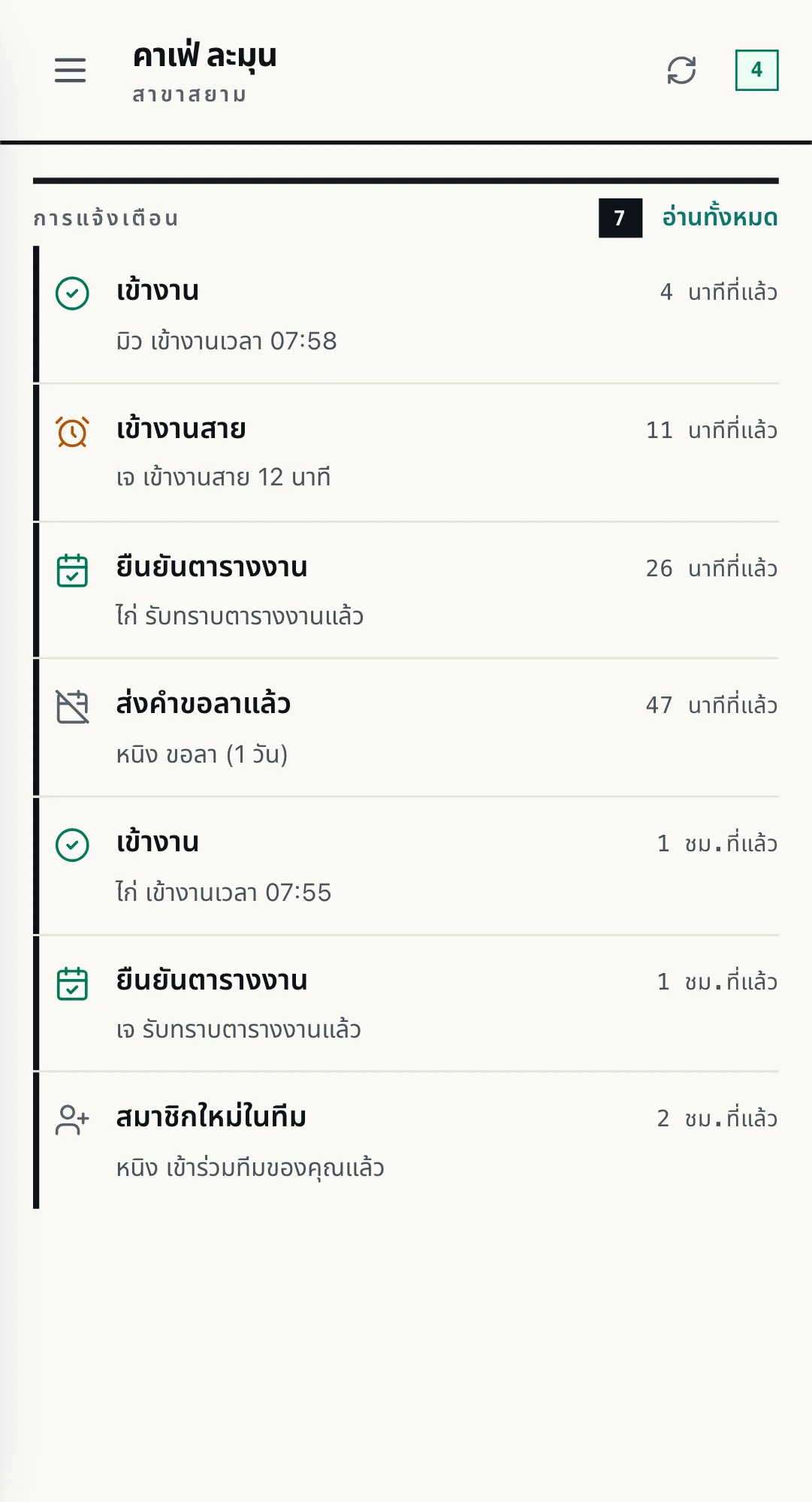
หมวดนี้กำลังเลิกลอกแบบซอฟต์แวร์ออฟฟิศแล้วย่อให้เล็กลง และเริ่มออกแบบใหม่จากศูนย์ตามรูปทรงของงานหน้างานจริงๆ แทนที่จะเริ่มจากแดชบอร์ดแล้วถามว่าจะยัดมันลงมือถือยังไง มันเริ่มจากมือถือ จากแอปแชท และจากจังหวะของกะ แล้วสร้างขึ้นจากตรงนั้น ผู้ชนะในทศวรรษหน้าจึงไม่ใช่คนที่มีฟีเจอร์มากที่สุด แต่คือคนที่เข้าใจว่าคน 80% นี้ทำงานยังไง แล้วสร้างให้พอดีกับมันครับ The category is moving away from shrinking office software down to fit a phone, and toward designing from scratch around the actual shape of frontline work. Instead of starting with a dashboard and asking how to cram it onto a handset, it starts from the handset, the chat app and the rhythm of the shift, and builds up from there. So the winner of the next decade is not whoever has the most features. It is whoever understands how these 80% actually work, and builds to fit them. 這個類別正在告別「把辦公室軟體縮小塞進手機」的做法,轉向依照第一線工作真正的形狀,從零重新設計。它不再從儀表板出發、再想辦法硬塞進手機,而是從手機、聊天 App 與班的節奏出發,往上長。所以下一個十年的贏家,不是功能最多的那一個,而是真正理解這 80% 如何工作、並照著他們去打造的那一個。
WorkCo คือตัวอย่างหนึ่งของการสร้างเพื่อคน 80% เราไม่ได้ย่อระบบ HR ของออฟฟิศลงมาใส่มือถือ แต่เริ่มจากคำถามว่า ทีมหน้างานในไทยอยู่ที่ไหนอยู่แล้ว คำตอบคือ LINE เราจึงทำตารางกะให้อยู่ในนั้นเลย ไม่ใช่ที่อยู่ใหม่ให้พนักงานต้องไปหา แต่คือที่เดิมที่เขาอยู่ทุกวันครับ WorkCo is one example of building for the 80%. We did not shrink an office HR system down onto a phone. We started from a question: where are frontline teams in Thailand already? The answer was LINE, so we put the schedule right inside it. Not a new place staff have to go to, but the place they already are every day. WorkCo 是「為那 80% 而做」的一個例子。我們不是把辦公室的人事系統縮小塞進手機,而是先問一個問題:泰國的第一線團隊本來都在哪裡?答案是 LINE,於是我們把班表直接放進那裡。它不是一個要員工另外去的新地方,而是他們每天本來就在的地方。
คำถามที่พบบ่อยFrequently asked questions常見問題
ซอฟต์แวร์สำหรับคนทำงานหน้างานคืออะไร?What is deskless workforce software?什麼是無桌工作者軟體?
คือซอฟต์แวร์ที่สร้างมาเพื่อคนที่ทำงานด้วยการยืนและเดิน ไม่ใช่คนที่นั่งหน้าคอมพิวเตอร์ เช่น พนักงานขาย พ่อครัว พนักงานเสิร์ฟ พยาบาล แม่บ้าน รปภ. และคนส่งของ แทนที่จะเป็นการล็อกอิน แดชบอร์ด และแล็ปท็อป มันไปหาพนักงานถึงโทรศัพท์ในมือ ในจังหวะของกะที่ทำอยู่ โดยแทบไม่มีอะไรต้องเรียนครับIt is software built for people who work on their feet rather than at a computer: retail staff, cooks, servers, nurses, cleaners, guards and riders. Instead of a login, a dashboard and a laptop, it reaches workers on the phone in their hand, in the flow of a shift, with almost nothing to learn.它是為那些靠雙腳工作、而非坐在電腦前的人所打造的軟體:賣場人員、廚師、服務生、護理師、清潔人員、保全與外送員。它不是登入、儀表板與筆電,而是在班的節奏中,找到手機在手上的員工,幾乎沒有東西要學。
ทำไมซอฟต์แวร์ออฟฟิศถึงใช้กับทีมหน้างานไม่ได้?Why doesn't office software just work for frontline teams?為什麼辦公室軟體無法直接套用在第一線團隊?
เพราะมันถูกออกแบบรอบ "ที่นั่งประจำ" ที่หน้างานไม่มีครับ ซอฟต์แวร์ออฟฟิศคิดว่าผู้ใช้มีโต๊ะ มีแล็ปท็อป มีช่วงว่างให้กรอกฟอร์ม และมีบัญชีบริษัทอยู่แล้ว แต่ที่เคาน์เตอร์ เตียงผู้ป่วย หรือลานขนของ ไม่มีสิ่งเหล่านั้นเลย ปัญหาจึงไม่ใช่ที่ตัวพนักงาน แต่คือรูปทรงของซอฟต์แวร์ที่ไม่พอดีกับรูปทรงของงานครับBecause it is designed around a fixed seat that the frontline does not have. Office software assumes the user has a desk, a laptop, downtime to fill in a form and an existing company account. The counter, the ward and the loading bay have none of those. The problem is not the worker, it is that the shape of the software does not match the shape of the work.因為它是圍繞著一個第一線並不存在的固定座位來設計的。辦公室軟體假設使用者有辦公桌、有筆電、有空檔填表單,也早就有公司帳號。但櫃檯、病床與卸貨區,一樣都沒有。問題不在員工身上,而在於軟體的形狀跟工作的形狀對不起來。
คนทำงานหน้างานมีจำนวนมากแค่ไหน?How big is the deskless workforce?無桌工作者的規模有多大?
ประมาณ 80% ของกำลังแรงงานทั่วโลก หรือราว 2.7 พันล้านคน คือคนทำงานหน้างาน แต่เม็ดเงินซอฟต์แวร์ในที่ทำงานเกือบทั้งหมดกลับลงไปกับเครื่องมือสำหรับคน 20% ที่นั่งโต๊ะ นี่จึงเป็นเหตุผลที่ทีมหน้างานจำนวนมากยังทำงานด้วยกระดาษ Excel และแชทอยู่ครับRoughly 80% of the global workforce, around 2.7 billion people, is deskless. Despite that scale, the vast majority of workplace software spend has gone to tools for the desk-bound 20%, which is why so many frontline teams still run on paper, spreadsheets and chat.全球大約 80% 的勞動力,約 27 億人,是無桌工作者。儘管規模如此龐大,絕大多數職場軟體的花費卻流向了為坐辦公桌那 20% 打造的工具,這正是為什麼許多第一線團隊至今仍靠紙張、Excel 與聊天運作。
ทีมหน้างานต้องการอะไรจากซอฟต์แวร์จริงๆ?What do deskless teams actually need from software?無桌團隊真正需要軟體提供什麼?
สามอย่างครับ หนึ่ง เข้าถึงพวกเขาบนอุปกรณ์ที่อยู่ในมือแล้ว ซึ่งมักคือโทรศัพท์และแอปที่ใช้อยู่ทุกวัน สอง ไม่มีอะไรใหม่ให้ต้องเรียน สาม กลืนเข้าไปในจังหวะของกะ ไม่ใช่เป็นงานเพิ่มทีหลัง อะไรก็ตามที่ต้องใช้แล็ปท็อป เบราว์เซอร์ หรือการล็อกอินใหม่ คือของที่สร้างมาเพื่อคนผิดกลุ่มครับThree things. Reach them on the device already in their hand, usually a phone and often an app they already use daily. Ask them to learn nothing new. And fit the flow of the shift rather than adding a separate task after it. Anything that needs a laptop, a browser tab or a fresh login is built for the wrong worker.三件事。在他們手上那台裝置找到他們,通常是手機,往往是每天都在用的 App。不要求他們學任何新東西。並融入班的節奏,而不是事後多加一件工作。任何需要筆電、瀏覽器分頁或重新登入的東西,都是為錯的工作者打造的。
ซอฟต์แวร์สำหรับหน้างานกำลังจะไปทางไหน?Where is deskless workforce software heading?無桌工作者軟體正往哪裡走?
ไปทางการออกแบบใหม่จากศูนย์ตามรูปทรงของงานหน้างานครับ แทนที่จะย่อซอฟต์แวร์ออฟฟิศลงมาใส่มือถือ หมวดนี้จะเริ่มจากมือถือ จากแอปแชท และจากจังหวะของกะ แล้วสร้างขึ้นจากตรงนั้น ผู้ชนะจึงไม่ใช่คนที่มีฟีเจอร์มากที่สุด แต่คือคนที่เข้าใจว่าคน 80% นี้ทำงานยังไง แล้วสร้างให้พอดีกับมันครับToward designing from scratch around the shape of frontline work. Rather than shrinking office software onto a phone, the category will start from the handset, the chat app and the rhythm of the shift, and build up from there. The winner is not whoever has the most features, but whoever understands how these 80% actually work and builds to fit them.走向依照第一線工作的形狀從零重新設計。這個類別不會再把辦公室軟體縮小塞進手機,而是從手機、聊天 App 與班的節奏出發,往上長。贏家不是功能最多的,而是真正理解這 80% 如何工作、並照著他們去打造的那一個。
อยากเห็นเครื่องมือที่สร้างเพื่อคน 80% ไหมครับWant to see a tool built for the 80%?想看看一個為那 80% 而做的工具嗎?
WorkCo คือตารางกะที่ออกแบบมาสำหรับทีมที่ไม่มีโต๊ะ ไม่มีแล็ปท็อป มีแค่มือถือกับ LINE ที่ใช้อยู่ทุกวัน สร้างมาให้พอดีกับงานหน้างานตั้งแต่ต้น เริ่มใช้ฟรีได้เลยครับWorkCo is scheduling designed for teams with no desk and no laptop, just the phone and the LINE they already use every day. Built to fit frontline work from the start. Start free.WorkCo 是為沒有辦公桌、也沒有筆電的團隊設計的排班工具,他們只有每天在用的手機與 LINE。它從一開始就是照著第一線工作打造的。免費開始。